Page indexing issues can quietly destroy your SEO performance, even if your content is high-quality and well-optimized. If your pages are not indexed, they simply do not exist in search results, which means zero visibility and lost traffic opportunities.
Understanding how to fix page indexing issues is essential if you want your website to grow steadily and compete on search engines. This guide walks you through practical, proven steps that go beyond basic advice and help you identify, fix, and prevent indexing problems effectively.
Understanding What Page Indexing Issues Really Mean
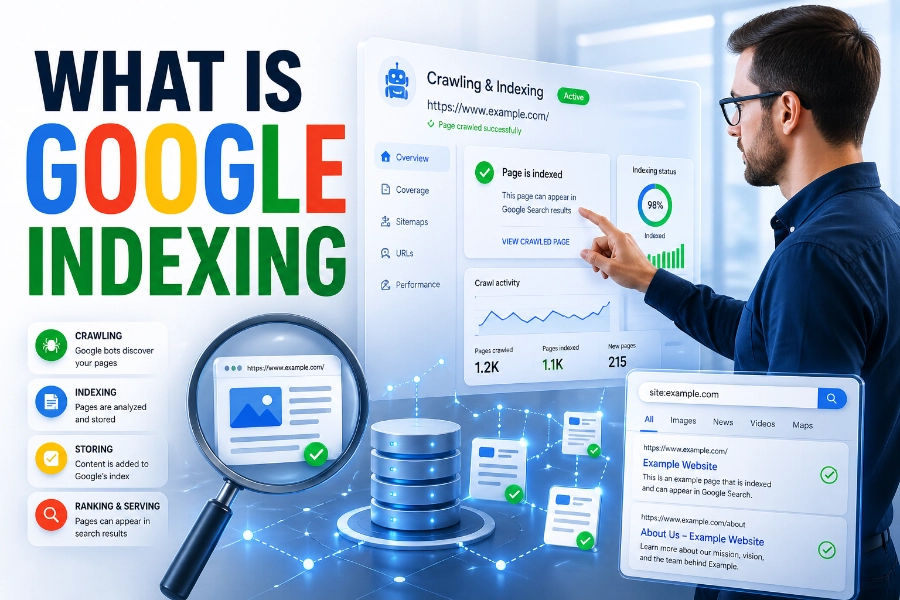
Page indexing issues occur when search engines fail to add your web pages to their database, preventing them from appearing in search results. This problem often arises from technical misconfigurations, poor content quality, or crawling limitations that restrict search engines from accessing your pages.
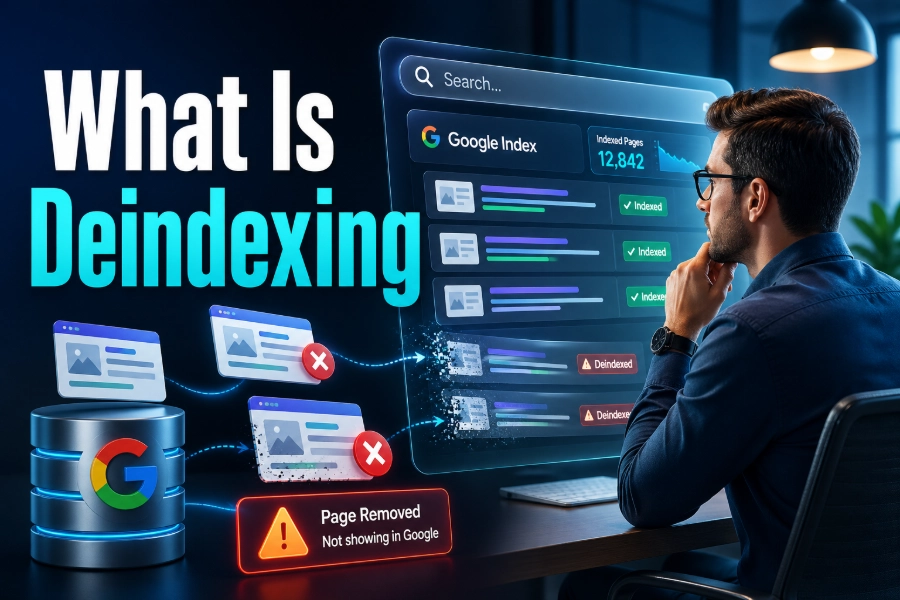
When you want to check your indexing status quickly, you can use tools that let you check all your indexed pages instantly and identify which URLs are missing from search results. This approach helps you diagnose problems faster because it reveals patterns in pages that are excluded or ignored.
In most cases, indexing issues are not caused by a single factor but rather a combination of technical and content-related problems. Once you understand how indexing works, you can begin fixing the root causes instead of applying temporary solutions that fail to deliver long-term results.
Why Your Pages Are Not Getting Indexed
Your pages may not be indexed because Google has decided they do not meet quality or technical standards. This decision is often influenced by duplicate content, thin pages, improper canonical tags, or blocked crawling instructions.
Search engines also prioritize pages based on importance and authority, which means weak internal linking can delay or prevent indexing. If your pages are isolated or poorly structured, search engines may discover them but choose not to index them.
Another common reason is crawl budget limitation, where large websites struggle to get all pages indexed due to inefficient structure. Optimizing your site architecture ensures that important pages receive priority and are indexed faster.
Fixing Robots.txt And Noindex Errors
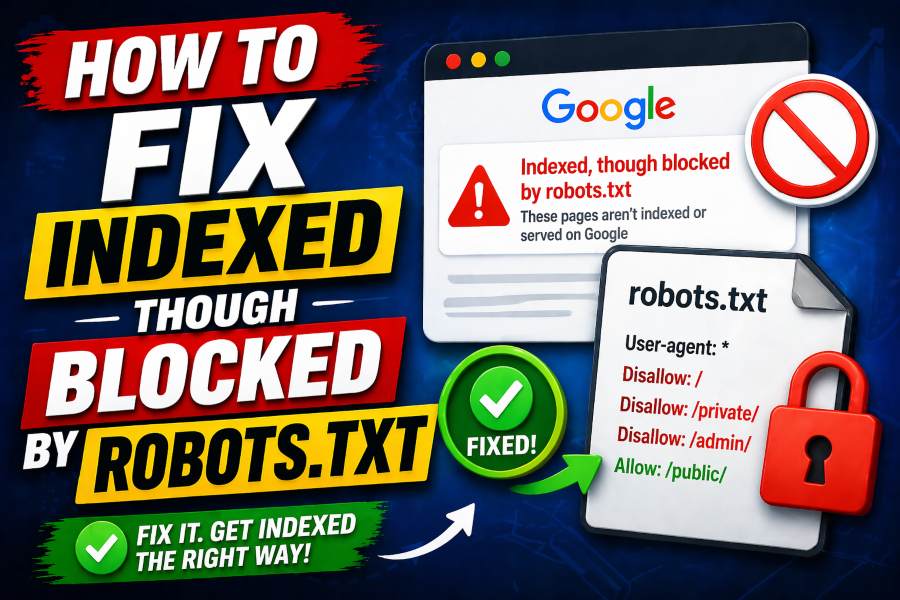
Robots.txt and noindex tags are essential for controlling what search engines can access and index. However, incorrect implementation can accidentally block important pages from appearing in search results.
To fix this issue, review your robots.txt file and ensure it does not restrict critical sections of your website. You should also audit your pages for unintended noindex tags, especially after plugin updates or CMS changes.
Understanding content creation workflows can help prevent such mistakes, and learning from resources like how content generators work how to use them effectively gives you insight into how structured content supports proper indexing.
Solving Duplicate Content And Canonical Issues
Duplicate content confuses search engines because they struggle to determine which version of a page should be indexed. This often leads to important pages being ignored or replaced by less relevant versions.
To fix this, you should implement proper canonical tags that clearly signal the preferred version of each page. Additionally, avoid publishing similar content across multiple URLs without differentiation or consolidation.
Improving content quality with structured writing methods, such as insights from what is an ai writing assistant and how is it beneficial, helps create unique pages that search engines are more likely to index.
Fixing Crawled But Not Indexed Issues
“Crawled but not indexed” is one of the most frustrating indexing statuses because it means Google has seen your page but chose not to include it. This usually happens when content lacks depth, relevance, or uniqueness.
To fix this, improve your content by adding valuable insights, better formatting, and stronger keyword alignment. You should also enhance user experience by improving readability, adding visuals, and ensuring fast loading times.
Internal linking plays a major role here because it signals importance to search engines. When multiple pages link to a URL, it increases its perceived value and improves indexing chances.
Resolving Discovered But Not Indexed Problems
“Discovered but not indexed” means Google knows your page exists but has not crawled it yet. This issue is often related to crawl budget limitations or low site authority.
To fix this, prioritize important pages by including them in your XML sitemap and linking them internally from high-authority pages. You should also avoid overloading your site with low-value URLs that dilute crawl efficiency.
Regularly updating your content and publishing high-quality pages signals to search engines that your site deserves more crawl attention. Over time, this improves both crawling frequency and indexing speed.
Improving XML Sitemap For Better Indexing
Your XML sitemap acts as a roadmap for search engines, guiding them to important pages on your website. If your sitemap contains errors or low-quality URLs, it can negatively impact indexing performance.
Ensure your sitemap includes only canonical, indexable pages and excludes duplicates or noindex URLs. This helps search engines focus on valuable content instead of wasting resources on unnecessary pages.
Submitting your sitemap through Google Search Console ensures that search engines are aware of your updates. Keeping it clean and updated is one of the simplest yet most effective indexing strategies.
Enhancing Internal Linking Structure
Internal linking is one of the most underrated factors in page indexing. It helps search engines discover, crawl, and prioritize pages based on their importance within your site.
To improve internal linking, connect related pages using descriptive anchor text and logical structure. This not only enhances SEO but also improves user navigation and engagement.
A strong internal linking strategy ensures that even deeper pages receive attention from search engines. Over time, this leads to better indexing coverage and improved rankings.
Fixing Technical Errors That Block Indexing
Technical errors such as 404 pages, server errors, and redirect loops can prevent search engines from indexing your content. These issues create barriers that stop crawlers from accessing your pages properly.
You should regularly audit your website for errors using SEO tools and fix broken links or incorrect redirects. Ensuring that your server responds quickly and consistently is also critical for proper indexing.
Addressing technical issues early prevents long-term damage to your SEO performance. It also ensures that search engines can crawl your site efficiently without encountering obstacles.
Improving Content Quality For Indexing
Content quality plays a major role in whether your pages get indexed or ignored. Search engines prioritize valuable, informative, and unique content that satisfies user intent.
To improve content quality, focus on depth, clarity, and relevance rather than keyword stuffing. Use structured headings, bullet points, and concise paragraphs to enhance readability.
High-quality content not only improves indexing but also increases user engagement and conversion rates. It is one of the most powerful long-term SEO strategies.
Optimizing Page Speed And Mobile Experience
Page speed and mobile usability directly impact indexing because search engines prioritize user-friendly websites. Slow-loading pages or poor mobile design can reduce crawl efficiency and indexing likelihood.
You should optimize images, use caching, and minimize unnecessary scripts to improve load speed. Ensuring your site is fully responsive across devices also enhances user experience.
Google uses mobile-first indexing, which means your mobile version is the primary version considered for indexing. Optimizing for mobile is no longer optional but essential.
Preventing Indexing Issues In The Future
Preventing indexing issues is easier than fixing them after they occur. Regular monitoring and proactive optimization help you maintain a healthy website.
You should audit your site frequently, update content, and monitor indexing reports in Google Search Console. This ensures that new issues are identified and resolved quickly.
Maintaining a consistent SEO strategy helps you avoid common pitfalls. Over time, this leads to better indexing performance and sustainable growth.
Conclusion
Understanding how to fix page indexing issues is essential if you want your website to perform well in search results. By addressing technical errors, improving content quality, and optimizing your site structure, you can significantly increase your chances of getting indexed.
The key is to focus on long-term solutions rather than quick fixes, ensuring that your pages remain valuable and accessible to search engines. When you consistently apply these strategies, you not only fix current indexing problems but also prevent future ones.
With the right approach, your website can achieve better visibility, higher rankings, and increased traffic, making indexing issues a problem you can confidently overcome.