If you’re serious about ranking on search engines, you have probably asked yourself one key question: is sitemap important for SEO? The short answer is yes, but the real value goes far deeper than most guides explain. A well-structured sitemap does more than help search engines find your pages—it shapes how your entire site performs in search results.
In this guide, you’ll discover how sitemaps influence crawling, indexing, and overall visibility. You’ll also learn practical strategies to optimize your sitemap for better SEO performance and long-term growth.
What Is A Sitemap In SEO
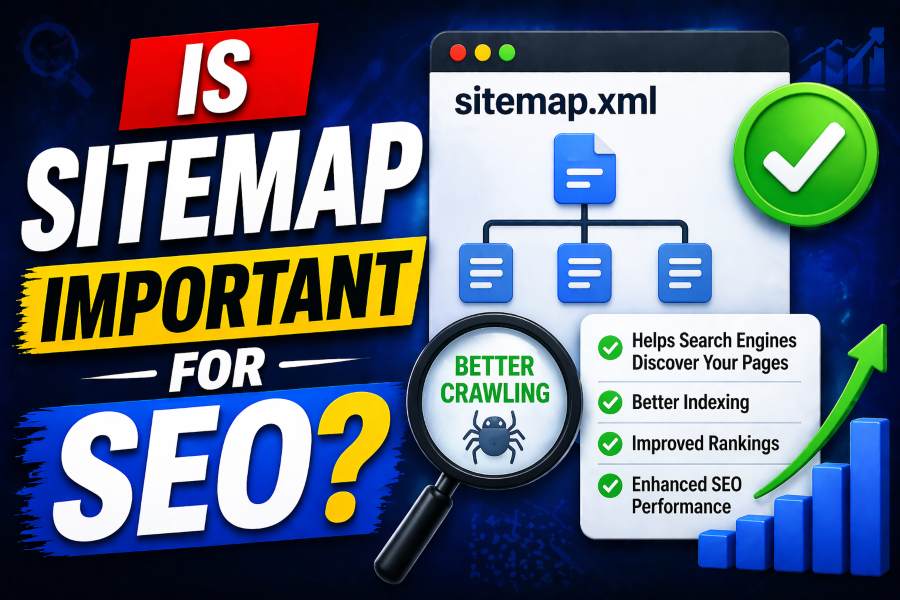
A sitemap is a structured file that lists all important pages on your website, helping search engines understand your content hierarchy and relationships. It acts as a roadmap that guides crawlers to discover, crawl, and index pages efficiently, especially those that are not easily accessible through internal links.
There are different types of sitemaps, but XML sitemaps are the most important for SEO because they are designed specifically for search engines. HTML sitemaps, on the other hand, are meant for users and improve navigation, which, in turn, supports SEO performance.
Understanding your sitemap structure is essential because it determines how search engines interpret your website. To maintain accuracy and visibility, you should regularly check all your indexed pages instantly and ensure your sitemap reflects only relevant, high-quality URLs that contribute to your rankings.
Why Sitemaps Still Matter In 2026
Search engines have become smarter, using AI and machine learning to discover and rank content more effectively. However, sitemaps remain crucial because they provide direct signals about your site structure, especially for large or complex websites.
Without a sitemap, search engines may miss important pages, delay indexing, or misinterpret your site hierarchy. This can lead to reduced visibility, slower ranking improvements, and missed opportunities for traffic growth.
Sitemaps also help prioritize content by indicating which pages are most important and how frequently they are updated. This ensures that your latest content gets discovered faster, improving your chances of ranking for competitive keywords.
How Sitemaps Improve Crawling Efficiency
Search engines allocate a limited crawl budget to each website, meaning they can only crawl a certain number of pages within a given timeframe. A well-optimized sitemap helps direct this budget toward your most valuable pages, ensuring efficient crawling.
When your sitemap is clean and structured, search engines spend less time crawling unnecessary or duplicate pages. This allows them to focus on indexing your high-quality content, which directly impacts your SEO performance.
Modern content strategies also rely on tools that streamline publishing workflows, and understanding how content generators work and how to use them effectively can help you produce structured content that aligns perfectly with your sitemap strategy.
The Role Of Sitemaps In Faster Indexing
One of the biggest advantages of having a sitemap is faster indexing of new and updated content. When you publish a new page, your sitemap notifies search engines, allowing them to discover it quickly.
This is especially important for blogs, news sites, and eCommerce platforms where content is frequently updated. Faster indexing means your content can start ranking sooner, giving you a competitive edge in search results.
Sitemaps also include metadata, such as last-modified dates, that help search engines understand when content has changed. This ensures that updated pages are re-crawled and re-indexed efficiently.
How Sitemaps Help Large Websites
Large websites often have thousands of pages, making it difficult for search engines to discover every page through internal linking alone. A sitemap ensures that all important pages are accessible and properly indexed.
Without a sitemap, deep pages buried within complex site structures may remain undiscovered. This can lead to significant gaps in your SEO strategy and reduced visibility for valuable content.
By organizing your sitemap into logical sections, you can improve crawl efficiency and ensure that every important page receives attention from search engines.
Sitemaps And User Experience Connection
Although sitemaps are primarily designed for search engines, they also influence user experience indirectly. A well-structured site hierarchy improves navigation, making it easier for users to find relevant content.
Better navigation leads to longer session durations, lower bounce rates, and higher engagement, all of which contribute to improved SEO performance. Search engines consider these behavioral signals when ranking websites.
Additionally, visual sitemap planning tools can help you design intuitive site structures that enhance both user experience and search engine visibility.
Common Sitemap Mistakes To Avoid
Many websites fail to maximize the benefits of sitemaps due to common mistakes. Including broken links, redirects, or non-indexable pages can confuse search engines and reduce crawl efficiency.
Another common issue is failing to update the sitemap regularly after adding or removing pages. This leads to outdated information, which can negatively impact indexing and rankings.
You should also avoid including duplicate or low-quality pages in your sitemap. Focus only on high-value URLs that contribute to your SEO goals.
Best Practices For Sitemap Optimization
To get the most out of your sitemap, you need to follow proven optimization practices. These strategies ensure that your sitemap supports both crawling and indexing effectively.
- Include only canonical URLs
- Keep your sitemap updated automatically
- Remove error pages and redirects
- Use logical structure for large sites
- Submit your sitemap to search engines
These practices help maintain a clean and efficient sitemap that aligns with your overall SEO strategy.
XML Vs HTML Sitemaps
XML sitemaps are designed for search engines and contain structured data that helps crawlers understand your website. They are essential for SEO and should be a priority for every website owner.
HTML sitemaps are designed for users and improve navigation by providing a clear overview of your site structure. While they are not as critical as XML sitemaps, they still offer indirect SEO benefits.
Using both types of sitemaps ensures that your website is optimized for both search engines and users, creating a balanced approach to SEO.
How AI And Automation Impact Sitemaps
AI and automation are transforming how websites are managed, including sitemap creation and maintenance. Automated tools can generate and update sitemaps in real-time, reducing manual effort and errors.
Content creation tools also play a role in maintaining structured content that fits well within your sitemap. Understanding AI writing assistant can help you produce optimized content that aligns with your sitemap strategy.
Automation ensures that your sitemap remains accurate and up-to-date, which is essential for maintaining strong SEO performance.
Do Small Websites Need A Sitemap
Even small websites benefit from having a sitemap, especially if they are new or lack strong internal linking. A sitemap ensures that search engines can quickly discover all pages.
For small sites, a sitemap acts as a safety net, ensuring visibility even if your site structure is not fully optimized. This is particularly important during the early stages of SEO growth.
As your website expands, your sitemap becomes even more valuable, helping you manage increasing complexity and maintain consistent indexing.
When A Sitemap Might Not Be Necessary
In some cases, a sitemap may not be essential, such as when your website has a simple structure with strong internal linking. Search engines can easily crawl and index such sites without additional guidance.
However, even in these scenarios, having a sitemap provides an extra layer of optimization. It ensures that no pages are overlooked and that your site structure is clearly communicated to search engines.
Given its benefits and minimal effort required, having a sitemap is almost always a worthwhile investment for SEO.
Conclusion
So, is sitemap important for SEO? Absolutely, and its importance continues to grow as websites become more complex and competitive. A well-optimized sitemap improves crawling efficiency, speeds up indexing, and ensures that your most valuable content gets the visibility it deserves.
You should treat your sitemap as a strategic asset rather than a technical requirement. By keeping it clean, updated, and aligned with your content strategy, you create a strong foundation for long-term SEO success.
When combined with modern tools and best practices, your sitemap becomes a powerful driver of organic growth. If you want consistent rankings and better performance, optimizing your sitemap is not optional—it is essential.
FAQs
Is a sitemap important for SEO in 2026
Yes, a sitemap remains important for SEO because it helps search engines discover, crawl, and index your content efficiently. Even with advanced algorithms, sitemaps ensure important pages are not missed, especially on large, new, or complex websites with deep structures.
How does a sitemap improve search engine crawling
A sitemap improves crawling by guiding search engine bots directly to your most important pages. It reduces wasted crawl budget on irrelevant URLs and helps bots prioritize high-value content, ensuring faster indexing and better visibility across search engine results pages.
Do small websites need a sitemap for SEO
Yes, small websites benefit from sitemaps because they help search engines find all pages quickly, especially if internal linking is weak. A sitemap ensures no important content is overlooked, improving indexing speed and giving new websites a stronger chance to rank faster.
What type of sitemap is best for SEO
XML sitemaps are best for SEO because they are specifically designed for search engines. They provide structured data about your pages, including updates and priorities, helping search engines understand your site better and index content more accurately and efficiently.
How often should you update your sitemap
You should update your sitemap whenever you add, remove, or modify content on your website. Regular updates ensure search engines receive accurate signals about your pages, which improves indexing speed, maintains relevance, and prevents outdated or broken links from affecting SEO performance.
Can a sitemap help with faster indexing
Yes, a sitemap helps with faster indexing by notifying search engines about new or updated pages. This allows crawlers to discover content quickly, reducing delays in indexing and increasing the chances of your pages appearing in search results sooner than expected.
What pages should you include in a sitemap
You should include only high-quality, indexable pages that you want to rank in search engines. Avoid adding duplicate content, redirects, or noindex pages, as they can confuse search engines and reduce the effectiveness of your sitemap for SEO purposes.
Does a sitemap improve website rankings directly
A sitemap does not directly improve rankings, but it supports SEO by improving crawlability and indexing. Better indexing ensures your content is available to rank, which indirectly boosts your chances of achieving higher positions in search engine results pages over time.
How does a sitemap affect large websites
For large websites, a sitemap is essential because it helps search engines navigate complex structures efficiently. It ensures all important pages are discovered, improves crawl budget usage, and prevents deep or orphaned pages from being ignored during the indexing process.
What are common sitemap mistakes to avoid
Common sitemap mistakes include adding broken links, redirects, or non-indexable pages, failing to update the sitemap regularly, and including low-quality content. These errors can reduce crawl efficiency, confuse search engines, and negatively impact your overall SEO performance.