Understanding how often Google crawls your site can feel confusing, especially when rankings depend on it. You might publish content regularly, but still wonder why some pages take longer to appear in search results. This guide breaks everything down clearly, so you can understand how crawling works and how to influence it.
By the end, you will know what affects crawl frequency, how Google decides what to crawl, and how to improve your chances of faster indexing without guesswork.
What Does It Mean When Google Crawls Your Site
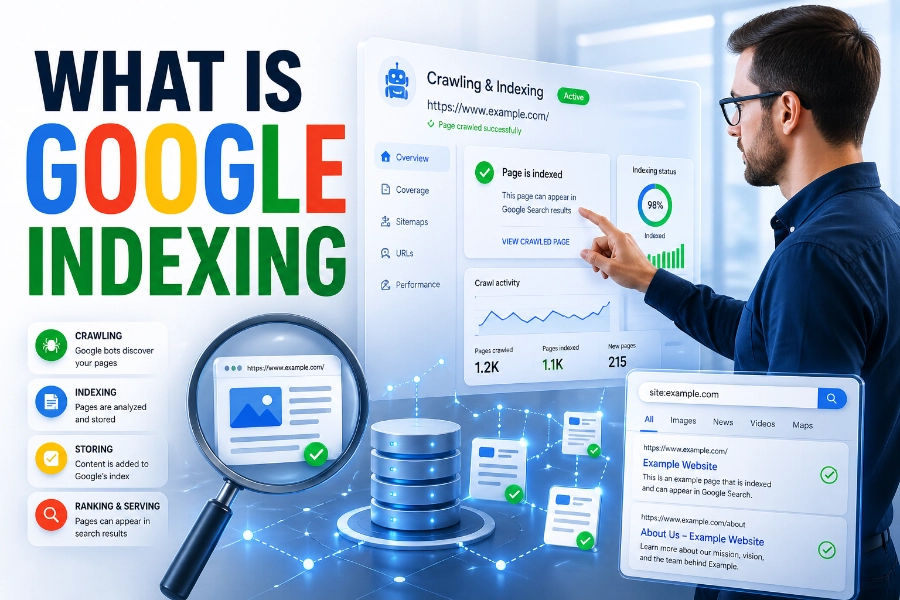
When Google crawls your site, it sends automated bots known as Googlebot to discover and analyze your pages. These bots follow links, read content, and determine whether your pages should be added to Google’s index.
Crawling is the first step before indexing, and without it, your pages cannot appear in search results. This makes it one of the most critical processes in SEO, even though many site owners overlook it.
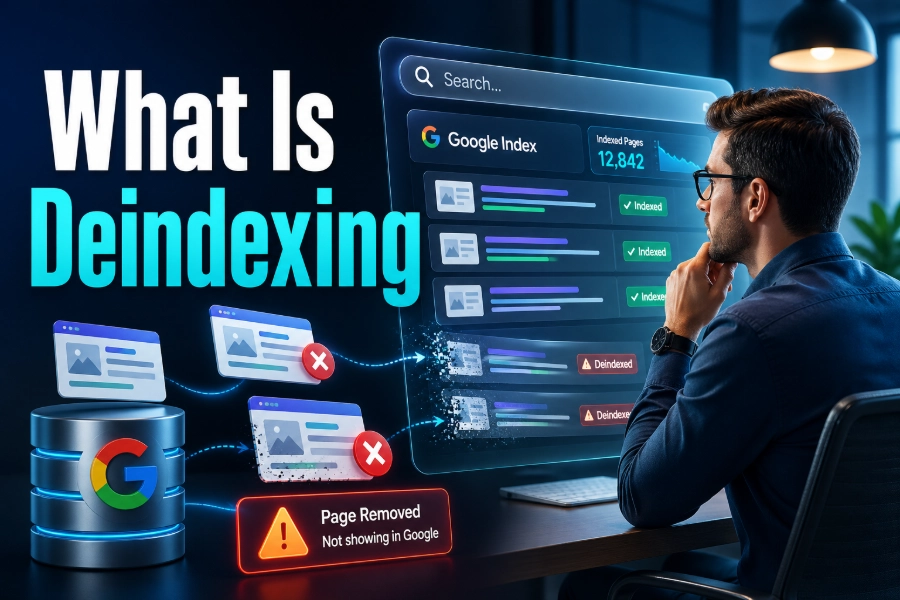
You need to understand that crawling does not guarantee indexing, because Google evaluates quality, relevance, and structure before deciding what to include. When you consistently monitor your indexed pages using tools that lets you check all your indexed pages instantly, you gain better visibility into how Google interacts with your content.
How Often Does Google Crawl A Site
Google does not follow a fixed schedule when crawling websites, and this is where many people get it wrong. Some pages are crawled multiple times per day, while others may not be visited for weeks or even months.
Highly active websites, such as news platforms or frequently updated blogs, tend to get crawled more often. Smaller or static websites may experience slower crawl rates because there is less new content to process.
On average, many websites are crawled every few days to a few weeks, but this depends entirely on how valuable and active Google considers your content. The key takeaway is that crawl frequency is dynamic, not predictable.
Factors That Influence How Often Google Crawls Your Site
Several factors determine how often Googlebot visits your site, and understanding them helps you take control of your SEO performance. The most important factors include content freshness, authority, technical health, and internal linking structure.
If your site publishes high-quality updates consistently, Google is more likely to crawl it frequently. If your site is slow, poorly structured, or filled with duplicate content, crawling may slow down significantly.
Modern SEO strategies often rely on content efficiency and automation, and understanding concepts like how content generators work and how to use them effectively can help you maintain a steady publishing schedule that encourages more frequent crawling.
Why Some Pages Get Crawled Faster Than Others
Not every page on your site is treated equally by Google, and many site owners overlook this. Homepage URLs, recently updated pages, and high-traffic content typically receive more frequent attention from Googlebot.
Deep pages that are buried within your site structure or lack internal links may take longer to be discovered. Pages with low engagement or outdated content can also be deprioritized over time.
Content creation plays a major role in crawl behavior, and understanding strategies like how AI helps with online content creation allows you to produce consistent updates that signal relevance and encourage faster crawling.
What Is Crawl Budget And Why Does It Matter
Crawl budget refers to the number of pages Googlebot is willing to crawl on your site within a specific timeframe. While this concept is more critical for large websites, it still affects smaller sites in subtle ways.
If your site wastes crawl budget on broken links, duplicate pages, or unnecessary redirects, important pages may be ignored. This means your best content might not get crawled as often as it should.
You can improve crawl efficiency by fixing errors, removing duplicate content, and ensuring your sitemap only includes valuable URLs. This helps Google focus on the pages that matter most.
How To Check If Google Is Crawling Your Site
You can monitor crawling activity using Google Search Console, which provides detailed reports on how Googlebot interacts with your site. The Crawl Stats report shows how often your site is visited and how many pages are processed daily.
Another effective method is using the URL Inspection tool to check individual pages. This allows you to see when a page was last crawled and whether it is indexed.
You can also use the site search operator in Google to quickly confirm indexed pages, but Search Console remains the most accurate and reliable source of data.
Common Reasons Google Crawls Your Site Less Often
If your site is not being crawled frequently, there are usually clear reasons behind it. Technical issues such as server errors, slow loading times, and blocked pages can significantly reduce crawl activity.
Low-quality or thin content can also discourage Google from revisiting your site regularly. If your pages do not provide value, Google has little reason to prioritize them.
Another common issue is poor internal linking, which makes it harder for Googlebot to discover deeper pages within your site. Fixing these problems can lead to noticeable improvements in crawl frequency.
How To Increase Your Crawl Frequency
Improving crawl frequency requires a combination of technical optimization and content strategy. You need to consistently publish high-quality content that gives Google a reason to return.
Internal linking is equally important, as it helps Googlebot navigate your site more efficiently. Make sure every important page is easily accessible through logical linking structures.
Improving page speed, fixing errors, and maintaining a clean sitemap also play a significant role in encouraging more frequent crawling. These small improvements can make a big difference over time.
The Role Of Fresh Content In Crawling
Fresh content is one of the strongest signals that encourages Google to crawl your site more often. When you regularly update your website, Googlebot learns that your site is active and worth revisiting.
This does not mean you should publish content for the sake of it, because quality still matters more than quantity. Each update should provide real value and relevance to your audience.
Even updating existing pages with new information can trigger additional crawls, making content refresh strategies just as important as publishing new articles.
How Internal Linking Improves Crawlability
Internal linking acts as a roadmap for Googlebot, guiding it through your site and helping it discover new content. Without proper links, even valuable pages can remain hidden and uncrawled.
You should link related pages naturally within your content to create a strong structure. This not only improves crawling but also enhances user experience.
A well-structured internal linking strategy ensures that no important page is left behind, increasing your chances of faster indexing and better rankings.
Mobile First Indexing And Its Impact On Crawling
Google now uses mobile-first indexing, which means it primarily evaluates the mobile version of your site. If your mobile experience is poor, it can negatively affect both crawling and indexing.
Your site should be responsive, fast, and easy to navigate on mobile devices. This ensures Googlebot can access and understand your content effectively.
Optimizing for mobile is no longer optional, as it directly influences how often and how efficiently your site is crawled.
Technical SEO Issues That Affect Crawling
Technical SEO plays a crucial role in how Googlebot interacts with your site. Issues like broken links, redirect chains, and server errors can reduce crawl efficiency.
You should regularly audit your site to identify and fix these problems before they impact your rankings. Even small technical issues can accumulate and slow down crawling over time.
Keeping your site technically clean ensures that Googlebot can access your content without obstacles, improving both crawl frequency and indexing speed.
How Long Does It Take For New Pages To Be Crawled
New pages can be crawled within minutes or take several days, depending on your site’s authority and activity level. High-authority sites often see faster crawling because Google trusts their content.
If your site is new or less active, it may take Googlebot longer to discover new pages. Submitting URLs through Search Console can help speed up the process.
You should also link new pages internally to increase visibility and improve crawl speed.
Best Practices To Maintain Consistent Crawling
Maintaining consistent crawling requires ongoing effort and attention to detail. You need to balance content creation, technical optimization, and user experience.
Focus on publishing valuable content, improving site performance, and maintaining a strong internal linking structure. These elements work together to keep your site active in Google’s eyes.
Consistency is key, and small improvements over time can lead to better crawling patterns and stronger SEO performance.
Conclusion
Understanding how often Google crawls a site gives you a major advantage in improving your SEO performance. Instead of chasing a fixed timeline, you should focus on creating high-quality content, maintaining technical health, and building a strong internal structure that encourages frequent crawling.
Google rewards sites that are active, valuable, and easy to navigate, so your efforts should align with these principles. By consistently optimizing your site and monitoring your indexing status, you position yourself for faster crawling and better search visibility.
When you apply the strategies covered in this guide, you move from guessing to controlling how Google interacts with your website, which is exactly what long-term SEO success requires.